Very good intermediary, nice to meet, very good communication efficiency, thank you very much
Professional and experienced real estate agents to deal with, prompt, punctual and detailed during communications, highly recommended.
We are so proud and delighted to have chosen Natgroup Realestate as agents for our properties. As distant investors we never felt the distance.
What an incredible and hassle free experience for the sale of our property from the time of property management, placing it on the market and the eventual sale and settlement.
Our special thanks goes to Nicole for the outstanding property management, service and Edgar for the hassle free sale and settlement.
My wife and I recommend Natgroup for any Realestate needs as the team goes beyond the knowledge, service and expertise to provide a rewarding and valuable experience.

Property insights · Seller Strategy with Edgar
Edgar Natolo, CEO and founder of Natgroup, began his real estate career in 1991 and established Natgroup in 1997. He explains the decisions that shape a sale: presentation, promotion, price and the way buyers respond at every stage.
Edgar and Brett are professional renovators and have renovated 42 properties together. In this detailed feature, Edgar shares a recent renovation example, how he reads campaign feedback, why the first serious offer deserves attention and what sellers should ask an agent about negotiation.
Read Edgar’s complete seller guide →
This feature introduces a four-part seller series. Each topic will receive its own detailed article as the series develops.
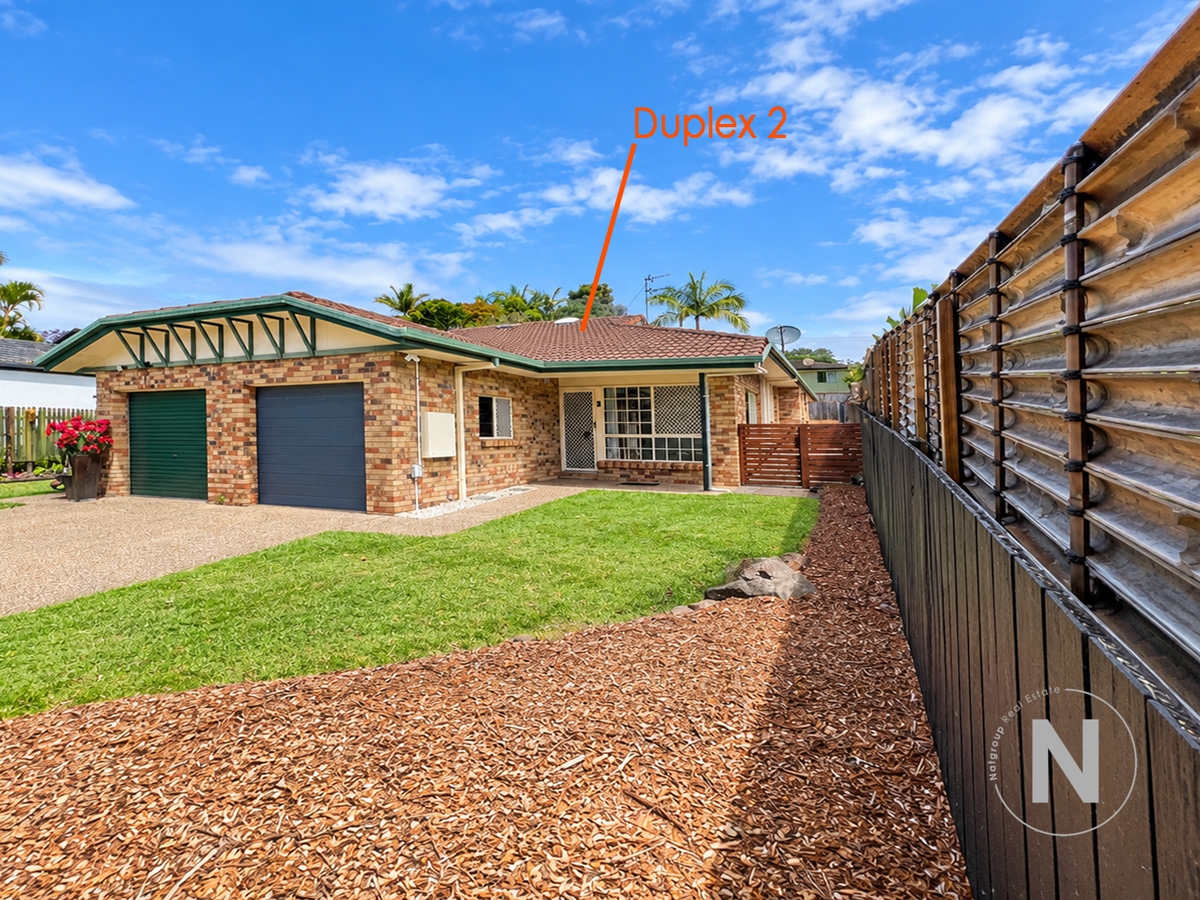
Illustration; not an actual property listing.
The property is online. The photographs are up. An inspection has come and gone. Yet the applications everyone expected haven’t arrived.
Usually, someone says it: “Perhaps we need to reduce the rent.”
That may be the right conversation. But first, it helps to understand what people are responding to—and where they are losing interest.
When Edgar Natolo talks about selling a home, he returns to presentation, promotion and price. “For me, it’s always the three Ps,” he says. “The price gets affected by the first two.”
The same framework offers landlords a useful way to examine a leasing campaign. The destination changes from an offer to an application, and the price becomes a weekly rent. The need to understand the person considering the home remains.
An owner may see a property that has served them well for years. A prospective tenant is imagining arriving home after work, cooking dinner, storing their belongings and spending a weekend there.
Tired flooring, yellowed fittings, unfinished repairs and an untidy outdoor area can interrupt that picture. A person inspecting a rental is generally deciding where to live, rather than looking for a renovation project to take on.
That does not mean every property needs an expensive makeover. It means looking at the home as a whole and asking which practical details are getting in the way.
In his sales interview, Edgar described a long-term rental receiving a cosmetic refresh. Creamy yellow walls, scratched floating floorboards, older fans and discoloured fittings all contributed to a tired impression. Painting, fresh carpet, updated fans and handles, repairs to grout and silicone, and attention to the garage and outdoor areas were considered together.
For a landlord, the useful idea in that sales example is the coordinated approach. Several modest jobs can be more relevant to the experience of living there than one expensive feature added in isolation.
Start with the things people will use and notice. Is the property clean? Have identified maintenance issues been addressed? Do doors and fittings work as expected? Is the outdoor area cared for? Does the home people walk into match the condition shown online?
Repair decisions should address the actual issue, rather than simply improve how it photographs. The work also needs to suit the property and its needs. Spending money does not automatically establish a higher weekly rent.
A well-presented rental still needs to be shown clearly.
Dark photographs can obscure rooms. Unhelpful angles can make a layout difficult to understand. If a floorplan, measurements or important images are missing, a prospective tenant may move on without asking the question the advertisement left unanswered.
Bedrooms, bathrooms and parking provide a starting point. People also want to know how the home will work for them. Where is the storage? How do the living spaces connect? What can they understand about the outdoor area and surroundings before making time to inspect?
Edgar’s sales interview makes a distinction between a list of features and the feeling of living somewhere. Applied to a rental, that means explaining real, useful details without dressing the home up as something it is not.
An appealing advertisement should attract people the property genuinely suits. If the inspection reveals a noticeably different home, the campaign has created attention without helping anyone make a sound decision.
Visibility matters as well. Are the relevant people seeing the listing? Is the lead photograph doing its job? Are enquiries answered, practical inspection arrangements offered and questions followed up? Paying for more exposure will not resolve every problem if the information or follow-through remains unclear.
The weekly figure matters alongside condition, layout, location and the alternatives available. Presentation and promotion can help people understand a rental’s appeal. They cannot make every asking rent achievable.
The comparison needs to be with genuinely relevant homes, rather than the most optimistic advertisement an owner can find. An advertised figure shows what someone is asking; it does not, on its own, establish that a tenant has agreed to it.
If the property is well presented, clearly promoted and still looks poor value beside comparable options, the rent needs an honest review. Waiting without learning anything can leave the same problem in place while the home remains vacant.
Low views suggest starting with visibility and first impressions: the lead image, heading, information and where the rent places the property in people’s searches.
Good views with few enquiries suggest a different question. Once people open the listing, what stops them? Is information missing? Does the condition or weekly rent compare poorly with other homes they can inspect?
Enquiries that do not become inspections call for attention to the conversations. What are people asking? Is a practical detail unclear? Can they arrange to see the property? Are responses arriving while their interest is still current?
When people inspect but do not apply, listen to their experience of the actual home. Was a room less useful than expected? Did maintenance become more obvious in person? Did the photographs create an impression the inspection did not support?
A single person’s preference is not a complete diagnosis. A repeated concern is worth investigating. Where the issue is practical, consider what can sensibly be improved. Where it cannot be changed, consider how it affects the rental’s appeal against the alternatives.
Applications provide another response signal, but their number alone does not explain the entire campaign. The property manager should be able to tell the owner what interest has progressed, what remains unresolved and what the evidence suggests doing next.
That is the value of looking at all three Ps together. The answer might be better photographs, clearer information, repairs, more practical inspection arrangements or a revised rent. Sometimes more than one needs attention.
Before reducing the weekly figure, understand the obstacle. Then make the change that addresses it—and check whether the response improves.

The property lists contain all properties the agent has sold (last 12 months) and published on natgroup.net.
It may not contain off-market and private sales, properties with unknown sold dates and sales that may be exclusively listed on other websites.